How to Become a Freelance Photographer/Videographer: Guide for Photographers and Designers
How to Become a Freelance Photographer/Videographer is a question many creatives ask as they look for a flexible, independent, and rewarding career path. But what truly defines success in this fast-growing industry
Is it natural talent, technical skill, or the ability to understand what clients need
Or could it be a combination of mindset, strategy, and long-term planning that shapes a strong professional future
As visual content continues to dominate digital communication, the demand for photographers and videographers grows every day. Businesses rely heavily on compelling visuals to market products, connect with audiences, and build brand identity. This means creativity alone is not enough. You must also learn how to build a portfolio, organize your workflow, understand user experience, and position yourself effectively in the freelance marketplace.
In this complete guide, you will discover the essential skills, tools, and steps required to build a profitable freelance career. Throughout the article, you will find key concepts such as content creation, professional toolkit, beginner video editing, and green screen basics, all highlighted to support your learning journey. If you want to start or improve your freelance path, this guide will help you move with confidence and clarity from the very first step.
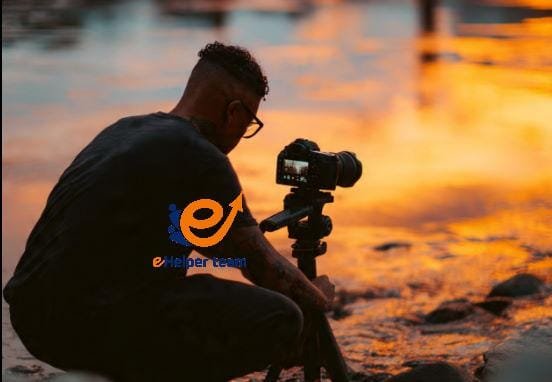


Understanding the Freelance Photography and Videography Landscape
- The Expanding Creative Market
Freelance photography and videography have become essential services in nearly every industry. From e-commerce and social media to real estate, events, and marketing campaigns, companies rely on visual content to communicate and grow. This expansion opens doors for talented freelancers to build long-term careers without being tied to traditional jobs.
- Why Businesses Prefer Freelancers
Many companies choose freelancers because they offer flexible, specialized services without the commitment of full-time employment. This trend creates more opportunities for skilled photographers and videographers to work with international clients, small businesses, agencies, and creators who constantly need fresh visual material.
How User Experience Shapes Modern Visual Work
Understanding how users interact with visuals helps you produce stronger content. Creatives who invest time in learning user experience tools and techniques often deliver clearer, more engaging imagery and videos. This awareness sets you apart and increases your value to clients.
Essential Skills You Need Before Starting
- Mastering Photography Techniques
To stand out in the freelance world, you need solid technical knowledge. This includes lighting, composition, shutter speed, aperture, lenses, and framing. Applying strong Professional Photography Techniques for People and Products helps you produce clean, appealing, and high-quality results that clients trust.
- Developing Strong Video Storytelling
Video creation requires more than recording clips. As a freelance videographer, you must understand pacing, mood, transitions, audio, and narrative structure. Mastering visual storytelling helps you create videos that feel polished and emotionally engaging.
- Building UX Awareness
Many freelancers overlook the role of user experience in visual content. Learning Improving User Experience for Websites and Applications allows you to craft visuals that attract attention, guide the viewer’s eye, and create a positive interaction with the content.
Building a High-Impact Freelance Portfolio
- Selecting Your Strongest Work
Your portfolio is the heart of your freelance identity. Clients evaluate your quality, consistency, and style through the pieces you choose to display. Focus on clarity, variety, and creativity. Include a mix of portraits, product photography, lifestyle sessions, reels, short videos, and commercial projects.
- Using Personal Projects Strategically
If you are a beginner, personal creative projects can showcase your potential even before you start receiving paid work. Producing your own content creation materials demonstrates initiative, creativity, and professional direction.
- Organizing Your Portfolio for Better Impact
Clients appreciate a well-structured portfolio. Divide your work into categories such as:
Portrait photography
Product photography
Commercial videography
Lifestyle videos
Short form content
Brand storytelling
This makes your portfolio easier to navigate and more appealing.
Tools and Software Every Freelance Photographer/Videographer Should Use
- Time Management and Productivity Essentials
Freelancers must organize their schedules carefully. Using a strong professional toolkit helps you manage tasks, communicate with clients, deliver on time, and track your progress. You can also refine your workflow by adopting effective time tracking methods that reduce stress and increase productivity.
- Beginner-Friendly Video Editing Options
You do not need expensive software to produce high-quality videos. Many free and accessible tools allow you to edit, trim, color correct, and enhance your footage. Learning beginner video editing techniques ensures your final output looks professional and consistent.
- Understanding Green Screen Techniques
Green screens expand your creative possibilities and allow you to produce advanced compositions. When you practice green screen basics, you learn how to control lighting, eliminate shadows, and blend backgrounds smoothly, resulting in clean and convincing visuals.
How to Market Yourself as a Freelance Photographer/Videographer
- Building a Strong Personal Brand
As a freelancer, your brand is more than your name it reflects your style, professional identity, and the value you offer. A strong personal brand helps clients recognize your work instantly. Start by defining the tone of your visuals, whether clean and minimal, bold and colorful, or cinematic and moody. Your brand should be consistent across your website, portfolio, social media, and communication.
- Using Social Media Strategically
Social media platforms are powerful tools for reaching potential clients. Instead of posting randomly, create a plan that highlights your expertise. Share behind-the-scenes moments, editing breakdowns, before and after shots, client results, and educational tips. This shows your versatility and builds trust. Platforms like Instagram, TikTok, and YouTube thrive on visuals, making them perfect for photographers and videographers.
How Content Shapes Your Online Presence
Your online presence depends on the quality and consistency of your posts. Publishing valuable content creation materials strengthens your reputation, increases engagement, and helps potential clients understand your process. Understanding How to Become a Freelance Photographer/Videographer also helps you shape your content strategy with more intention. Visual storytelling, short videos, or mini tutorials are effective ways to stand out.
Finding Clients and Growing Your Freelance Network
- Identifying the Right Clients for Your Style
Not every client fits your artistic direction. The key is to find individuals or businesses whose needs match your strengths. For example:
If you specialize in portraits, target influencers, models, and personal brands.
If you excel in product photography, focus on e-commerce businesses.
If you enjoy cinematic videography, collaborate with lifestyle brands or creative agencies.
- Networking Online and Offline
Networking is essential for building long-term relationships. Attend exhibitions, creative meetups, and photography events. Engage with other freelancers, designers, and marketers. Online communities also offer opportunities to share projects, receive feedback, and find collaborations.
- Remote Job Opportunities and UX Fields
How to Become a Freelance Photographer/Videographer is becoming increasingly important in today’s digital world. With the growth of digital workspaces, freelancers now have access to global remote jobs. Companies often hire visual creators who understand digital design and Remote Job Opportunities and Growth in UX. Knowledge of UX improves your ability to create visuals that align with digital platforms, making your services more valuable.
Setting Your Pricing and Service Packages
- Understanding Your Value
Pricing is one of the biggest challenges for freelancers. Instead of charging random rates, evaluate your costs, time, experience, and project complexity. Consider:
Equipment investment
Editing time
Travel requirements
Project length
Deliverables (photos, videos, reels, etc.)
- Creating Clear Service Packages
Clients appreciate transparency. Offering structured packages makes it easier for them to choose what suits their needs. You can create:
Basic packages for small shoots
Standard packages for branded content
Premium packages for events or commercial productions
Each package should explain the number of hours, final files, revisions, and additional services.
- When to Increase Your Prices
As your experience grows, your rates should increase accordingly. When you enhance your skills through Professional Photography Techniques for People and Products or advanced video storytelling, you provide more value than beginners. Understanding How to Become a Freelance Photographer/Videographer helps you price your services strategically and position yourself as a professional. Confidence in your abilities helps you negotiate fair and professional rates.

Improving Your Workflow as a Professional Freelancer
- Using Organizational Tools to Stay Productive
To manage multiple clients, you need structure. A well-organized professional toolkit helps you plan your shoots, schedule deadlines, and communicate with clients effectively. Tools for file organization, project planning, and editing workflows ensure smooth delivery.
- Time Tracking and Personal Productivity
Maintaining discipline is essential in freelancing. Developing strong time tracking methods helps you stay aware of your working hours, avoid burnout, and improve your productivity. When you track your time, you understand which tasks take longer and how to optimize your schedule.
- Editing Faster and Better
Editing can consume hours if you do not follow a method. Using presets, templates, color profiles, and optimized workflows shortens your editing time. This is particularly helpful when applying beginner video editing techniques to refine your visual style.
Improving Visual Results Through User Experience Principles
- Why UX Matters for Visual Creators
Modern content is not only about beauty but also usability. Visuals that support Improving User Experience for Websites and Applications help brands communicate more effectively. Understanding how viewers interact with images and videos helps you design intuitive, high-impact visuals.
- Crafting User-Friendly Visual Stories
To apply UX principles, consider:
Eye movement patterns
Clarity of composition
Color psychology
Message hierarchy
This helps you produce visuals that guide the user smoothly and improve engagement.
- Enhancing Consistency in Your Work
Consistency builds trust. When clients recognize your visual language, they are more likely to hire you again. Maintaining the same tone, editing style, and color palette reinforces your personal brand and professionalism.
Learning Advanced Techniques to Stand Out
- Green Screen and Visual Composition
Mastering green screen basics opens opportunities for creative, cinematic projects. When you control lighting and shadows correctly, your compositions look clean and realistic. This skill is highly valued in commercial and advertising video projects.
- Cinematic Video Production
To elevate your work, study cinematic framing, sound design, pacing, and color grading. This gives your videos depth and emotional power. High-quality storytelling can attract premium clients who are ready to invest in strong creative work.
- Specialization and Niche Expertise
Choosing a niche often accelerates your freelance success. Whether you focus on product photography, fashion films, documentary-style videos, or branded digital content, specialization makes you memorable and highly sought after.
FAQs
1. How long does it take to become a freelance photographer/videographer
It depends on your dedication. Many beginners build solid portfolios within 6 to 12 months if they practice consistently and learn both creative and business skills.
2. Do I need expensive equipment to start freelancing
No. You can begin with basic gear and upgrade as you grow. Skills matter more than expensive tools in the early stages.
3. Is it necessary to understand UX as a photographer or videographer
While not mandatory, basic UX awareness improves your storytelling and strengthens your content for digital platforms.
4. Can I work with international clients as a beginner
Yes. With a strong portfolio, consistent content creation, and clear communication, you can attract global clients even with limited experience.
5. Should I specialize or offer a variety of services
Both options work. However, specialization often helps you stand out faster, especially in competitive markets.
Conclusion
How to Become a Freelance Photographer/Videographer: Becoming a successful freelancer in the photography and videography world requires more than creativity. It demands strategic thinking, user experience awareness, technical mastery, and strong business skills. By practicing consistently, improving your content creation, refining your professional toolkit, and developing advanced abilities such as beginner video editing and green screen basics, you position yourself for sustainable growth. With a strong personal brand, well-organized workflow, and clear understanding of your value, you can build a thriving freelance career that gives you freedom, stability, and long-term opportunities.